Accused of Extortion in Colorado? Denver Criminal Defense Attorney Jeff Weeden Can Help

A Denver extortion lawyer can protect your rights when an accusation threatens your freedom and reputation. Colorado law classifies criminal extortion as a serious felony. A conviction can lead to prison, fines, mandatory parole, and a permanent criminal record. An allegation can also affect your employment, relationships, and standing in the community. Early representation by a criminal defense attorney can shape the investigation and later legal proceedings. Denver criminal defense attorney Jeff Weeden represents clients facing extortion allegations throughout the Denver metro area.
Call WeedenLaw today at (720) 307-4330 or reach out online to schedule a free initial consultation with an experienced Denver criminal defense lawyer.
What Does Extortion Mean in Law?
Colorado criminal law defines extortion based on the accused person’s intent, the nature of the threat, and how it was made. A person may face charges for threatening to force someone to act against their will. The law also applies when a threat pressures someone to refrain from performing a lawful act. The threat must involve unlawful conduct or a third party whose interests do not substantially align with the accused person’s interests.
An alleged threat may involve confinement, restraint, economic hardship, bodily injury, property damage, or reputational harm. Colorado law requires a substantial threat, not an idle comment or minor disagreement. The circumstances must make the threatened person reasonably believe that significant harm or damage could occur. To obtain a conviction in a criminal case, prosecutors must prove the required intent and every other statutory element.
Is Extortion Illegal in Colorado?
A person may face extortion charges in Colorado for making a qualifying threat with the intent required by law. Prosecutors may file charges even when the threatened person refuses the demand. No payment, property transfer, or completed act is required. The prosecution must establish a qualifying threat, the required intent, and a method covered by the statute.
An investigation may focus on text messages, emails, social media posts, recorded calls, financial records, and witness statements. Police may also examine phones, computers, account records, and the context surrounding each communication. A Colorado criminal defense strategy can challenge the alleged meaning, intent, authenticity, or completeness of this evidence.
Criminal defense law also requires courts to examine how investigators obtained digital records and statements. Evidence gathered through an unlawful search, seizure, or interrogation may face a constitutional challenge. These issues can influence how an extortion charge proceeds through the Colorado criminal justice system.
Colorado Extortion Statute (CRS 18-3-207)
CRS 18-3-207 establishes the elements prosecutors must prove in criminal court. The accused must act without legal authority and intend to influence another person against that person’s will. The accused must also make a qualifying substantial threat.
The threat must involve an unlawful act or certain conduct by a third party. The third party’s interests cannot substantially relate to the threatening person’s interests. The statute separately covers threats to report someone’s immigration status in specified circumstances.
Aggravated criminal extortion involves threats using chemical, biological, or harmful radioactive agents, weapons, or poison. Investigators may review communications, devices, witness statements, and other evidence before filing criminal charges.
What Constitutes Extortion?
Extortion allegations can arise from several types of threats and demands. Conduct that may support a charge includes:
- Threatening to confine or restrain another person.
- Threatening bodily injury to the targeted person or someone else.
- Threatening economic hardship, property damage, or reputational harm.
- Demanding money, property, services, private information, or another action.
- Pressuring someone to act against their will or abandon a lawful act.
Colorado’s primary extortion provision does not require a financial demand. The prosecution must still prove intent and a substantial threat. A vague statement, minor disagreement, or idle comment may not satisfy that legal standard.

Extortion Colorado Laws and Related Offenses
Colorado prosecutors may file extortion alongside felony and misdemeanor charges supported by separate conduct. Related allegations can include theft, harassment, menacing, or false imprisonment. Each charge has distinct elements that the prosecution must prove beyond a reasonable doubt.
Theft by Extortion
Colorado theft law applies when someone knowingly obtains or controls another person’s property without authorization or by threat. Theft by threat differs from criminal extortion because it requires property or another item of value.
The amount involved can affect the classification of a theft charge. It does not change the classification of criminal extortion under CRS 18-3-207.
Attempted Extortion
A communicated qualifying threat may complete criminal extortion even when the targeted person refuses the demand. Payment, property transfer, or compliance is not required.
Attempted extortion applies when someone takes a substantial step toward the crime but does not complete it. Under Colorado law, an attempt to commit Class 4 felony extortion is generally a Class 5 felony.
Blackmail and Extortion Laws
Colorado does not maintain a separate criminal offense formally titled “blackmail.” Conduct commonly called blackmail may fall under the criminal extortion statute.
Cases may involve threats to disclose private photos, messages, allegations, or damaging information. Such claims can arise through online communications, employment disputes, or personal relationships. The prosecution must still prove every statutory element.
Is Extortion a Felony in Colorado?
Colorado classifies criminal extortion as a Class 4 felony, regardless of the amount demanded. A person may face charges even when no money changes hands. The prosecution must prove a substantial threat, the required intent, and the other statutory elements.
Aggravated criminal extortion is a Class 3 felony. This charge applies when an alleged threat involves chemical, biological, or harmful radioactive agents, weapons, or poison. A weapon does not, by itself, increase the charge. The threat must satisfy the requirements for aggravated criminal extortion under Colorado law.
Extortion does not shift between felony and misdemeanor classifications based solely on the circumstances. That differs from certain Wobbler drug crimes, which may receive different treatment based on the case. Prior convictions and other sentencing factors can still affect the penalties imposed after a conviction.
Anyone facing this serious charge should understand the classification, possible sentence, and long-term consequences before deciding on their defense.
What is the Sentence for Extortion in Colorado?
Criminal extortion is a Class 4 extraordinary-risk felony. The presumptive sentence ranges from two to eight years in prison. A conviction may also bring fines between $2,000 and $500,000, followed by three years of mandatory parole.
Aggravated criminal extortion is a Class 3 felony. Its presumptive sentence ranges from four to 12 years in prison. Courts may also impose fines between $3,000 and $750,000, plus three years of mandatory parole.
A judge considers several factors when imposing a sentence during the legal proceedings. A person’s prior criminal history can significantly affect the court’s decision. Aggravating and mitigating circumstances may also support a higher or lower sentence within the available range. The court may consider the defendant’s conduct, acceptance of responsibility, and other facts presented at sentencing.
The amount of money or property involved does not change the classification of criminal extortion. It may still affect restitution, related theft charges, or the court’s assessment of the conduct. Offense-specific sentencing laws can also increase the possible penalties in certain cases.
The consequences of a criminal conviction in Colorado may extend beyond prison, fines, and parole. Anyone found guilty may also face employment barriers, professional licensing concerns, firearm restrictions, and lasting damage to their reputation.
Jail Time for Extortion
An extortion conviction can result in substantial prison time based on the felony classification and applicable sentencing laws. Prior convictions or aggravating circumstances may increase the sentence or restrict alternatives to incarceration. Some defendants may qualify for probation or another sentencing option, depending on their charges, history, and case facts.
Courts may impose fines and order restitution alongside incarceration or probation. Restitution generally covers documented financial losses directly caused by the alleged offense. A Denver criminal defense attorney can challenge the charges and pursue dismissal, reduction, probation, or another favorable outcome supported by Colorado law.

Is Extortion a White Collar Crime?
Extortion is not automatically a white-collar crime. Colorado classifies it as a crime against persons because qualifying threats target someone’s conduct, safety, property, or reputation. Unlike fraud, extortion relies on coercion or threats rather than deception or misrepresentation alone.
Business dealings or financial motives may place an extortion allegation within a white-collar crime investigation. These cases may involve executives, professionals, or business owners accused of pressuring partners, employees, competitors, or clients. Investigators may examine contracts, financial records, emails, corporate accounts, and other business communications.
A Denver white-collar crimes attorney can evaluate the alleged threats, financial evidence, and related criminal charges across the Denver metro area. Several common misconceptions about white-collar crimes in Colorado concern how prosecutors investigate these allegations and pursue charges.
How to Prove Extortion in Colorado
Prosecutors must prove every element of criminal extortion beyond a reasonable doubt. They must establish the accused person’s intent and a qualifying substantial threat. They must also connect the alleged communication to the accused. Probable cause may support an arrest, search warrant, or formal charge. It does not satisfy the higher burden required for a conviction.
Methods prosecutors may use to build an extortion case include:
- Presenting text messages, emails, social media posts, or letters containing the alleged threat.
- Introducing recorded calls, voicemails, videos, or in-person conversations captured by another party.
- Using witness testimony to explain the communication, demand, surrounding events, and perceived threat.
- Examining phones, computers, account records, metadata, and login activity to identify the sender.
- Reviewing financial records for payment demands, transfers, withdrawals, or other transactions tied to the allegation.
- Comparing earlier and later communications to establish context, intent, and the accused person’s alleged objective.
- Using search results, location data, or other digital activity to argue that the accused planned or carried out the threat.
No single message or record automatically proves criminal extortion. Financial evidence may support an alleged payment demand, but Colorado’s primary extortion provision does not require one. Prosecutors must still prove the required intent, substantial threat, and statutory method.
A Denver trial attorney can challenge incomplete messages, altered records, unreliable witnesses, and unsupported interpretations. Cross-examination may expose inconsistencies in testimony or weaknesses in the investigation. The defense can also challenge evidence obtained through an unlawful search, seizure, or interrogation.
Federal vs. State Extortion Charges
Federal law may apply when alleged conduct satisfies every element of a specific federal statute. Interstate communications can establish federal jurisdiction in some cases. Still, crossing state lines does not automatically make an accusation a federal crime. The communication must also contain the type of demand or threat prohibited by the applicable statute.
Federal charges may involve ransom demands, threats of kidnapping or bodily injury, reputational threats, mailed communications, or interference with interstate commerce. State and federal extortion cases differ in several important ways:
|
Issue |
Colorado Extortion Charges |
Federal Extortion Charges |
|
Governing law |
Colorado prosecutes criminal extortion under CRS 18-3-207. |
Federal prosecutors may use 18 U.S.C. § 875, 18 U.S.C. § 876, or the Hobbs Act. |
|
Jurisdiction |
The alleged offense generally occurs within Colorado or falls under Colorado law. |
The conduct must establish a federal connection required by the charged statute. |
|
Communications |
Colorado law can cover verbal, written, electronic, or indirect threats. |
Section 875 addresses qualifying interstate or foreign communications. Section 876 covers qualifying mailed threats. |
|
Prohibited conduct |
The accused must make a substantial threat with the intent required by CRS 18-3-207. |
The required conduct depends on the statute and may involve ransom, kidnapping, injury, property, reputation, or commerce. |
|
Financial demand |
Colorado’s primary extortion provision does not require a demand for money or property. |
Some federal provisions require an intent to obtain money or another item of value. |
|
Effect on commerce |
Colorado criminal extortion does not require proof that the conduct affected interstate commerce. |
The Hobbs Act requires conduct that obstructs, delays, or affects interstate commerce. |
|
Possible penalties |
Criminal extortion is a class 4 felony. Aggravated criminal extortion is a class 3 felony. |
Maximum prison terms may range from two to 20 years, depending on the charged federal provision. |
|
Prosecuting authority |
A Colorado district attorney generally prosecutes the case in state court. |
A United States Attorney prosecutes federal charges in federal district court. |
Under 18 U.S.C. § 875, a ransom demand or an extortionate threat involving kidnapping or injury can carry 20 years. Threats involving property, reputation, or accusations of criminal conduct may carry up to two years under a different subsection. The Hobbs Act can carry up to 20 years when extortion affects interstate commerce.
The same conduct may support state charges, federal charges, or both. Investigators may examine the communication method, the intended demand, the alleged threat, and the effect on commerce. A Colorado federal criminal defense lawyer must identify the controlling statute before evaluating the evidence, penalties, and available defense strategy.
Defenses to Denver Extortion Charges
A defense may challenge the accused person’s intent, the alleged threat, or the surrounding context. The prosecution must prove that the communication qualified as a substantial threat under Colorado law. It must also establish the required unlawful act or qualifying third-party involvement. A statement made during a dispute may not satisfy these elements when the evidence lacks a genuine threat or coercive intent.
False allegations, altered messages, incomplete conversations, and misunderstood communications can weaken the state’s case. Deleted portions of a conversation may change the meaning of a text, email, or recording. A defense lawyer may examine metadata, device records, witness accounts, and earlier communications to place the alleged threat in context.
Constitutional violations can also affect the evidence available to prosecutors. Unlawful searches, improper device seizures, or coercive questioning may support a motion to suppress evidence. Excluding key evidence can weaken the prosecution’s ability to prove guilt beyond a reasonable doubt. Serious evidentiary or constitutional problems may also persuade prosecutors to dismiss charges.
By challenging intent, authenticity, context, and investigative methods, a criminal defense lawyer can expose weaknesses and create reasonable doubt in Colorado. The available defense depends on the specific statements, evidence, and circumstances surrounding the allegation.

What To Do If You Are Being Investigated for Extortion
Anyone under investigation for extortion should protect their rights before speaking with police or other investigators. An investigation does not always lead to an immediate arrest. Still, statements and actions during this stage can affect later charges and defense options. Important steps include:
- Remain silent and request legal counsel before answering questions or providing a written statement.
- Preserve text messages, emails, recordings, financial records, devices, and other evidence connected to the allegation.
- Do not delete, edit, hide, or destroy communications, even if they appear harmful or embarrassing.
- Avoid contacting the complaining witness or anyone connected to the investigation.
- Do not discuss the allegations with friends, relatives, coworkers, or anyone outside the attorney-client relationship.
- Avoid posting details, responses, or indirect comments about the accusation on social media.
- Decline consent to a search and contact an attorney if investigators request access to a phone, computer, home, or account.
Early legal representation gives an attorney time to preserve evidence, address investigators, and prevent damaging statements. If you need a criminal lawyer in Colorado, contact an extortion attorney during the investigation or immediately after an arrest. Prompt action can help protect your rights and place the defense in a stronger position.
Why Choose the Denver Extortion Attorneys at WeedenLaw?
Jeff Weeden has practiced criminal defense in Colorado since 2005. His extensive experience defending clients includes serious felony charges, contested hearings, negotiations, and trials. That background matters in extortion cases, which may depend on intent, context, digital evidence, and disputed communications.
Jeff’s law school foundation led to published legal writing cited by other researchers. He has also taught college courses in criminal law and the legal environment of business. Today, he serves as a Coordinating Editor for The Colorado Lawyer and an adjunct professor at George Washington University. These roles reflect his command of criminal law and his ability to explain difficult legal issues clearly.
WeedenLaw’s defense team examines messages, recordings, witness accounts, financial records, digital evidence, and investigative methods. The team looks beyond isolated statements to determine what occurred before, during, and after the alleged threat. This detailed review can uncover missing context, unreliable accusations, constitutional violations, or weaknesses in the prosecution’s theory.
The firm’s published case results include felony and misdemeanor charges dismissed before trial. Former clients also describe Jeff’s preparation, responsiveness, and personal attention in their testimonials. His significant trial experience and individualized approach make him a strong choice for anyone seeking an extortion defense lawyer.
Jeff works closely with each client to understand the accusation, personal priorities, and possible consequences. He then develops a defense strategy tailored to the evidence and the client’s circumstances. Throughout the case, he holds prosecutors to their burden of proof and works toward the best outcome available.
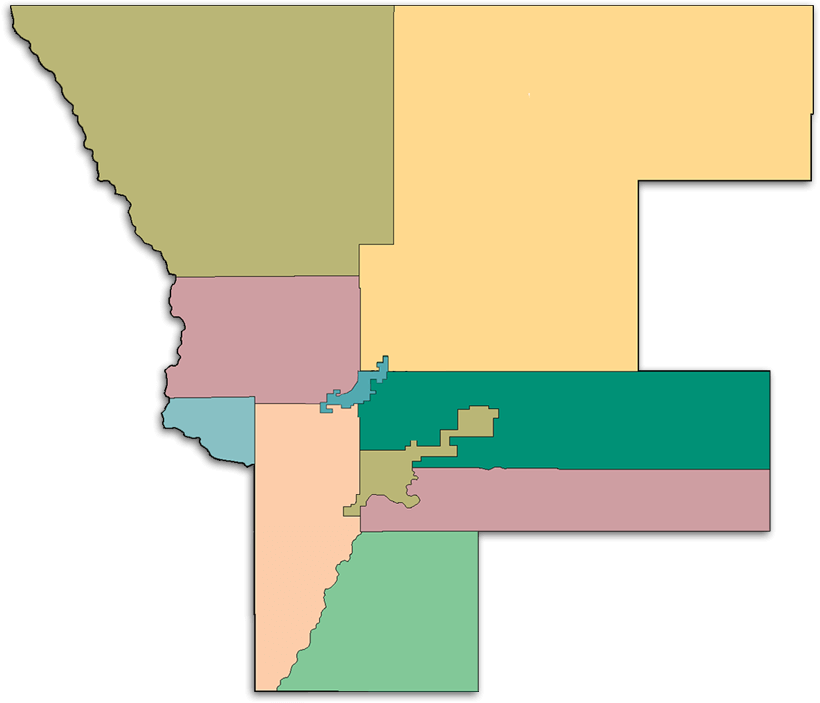
Serving Clients in Denver County, Adam County, Douglas County, Jefferson County, Arapahoe County, & Beyond
WeedenLaw represents people facing criminal charges throughout the Denver metro area and other Colorado communities. Jeff Weeden serves clients in:
- Denver County
- Adams County
- Douglas County
- Jefferson County
- Arapahoe County
- Greenwood Village
- Colorado Springs
- Communities throughout the greater Denver metro area
Attorney Jeff Weeden brings extensive knowledge of the Colorado criminal justice system to every case he handles. Clients in Denver turn to WeedenLaw for exceptional criminal defense, personal attention, and thorough trial preparation. The firm’s proven track record includes cases dismissed before trial and other favorable trial outcomes. When a case reaches trial, the defense team works to have clients found not guilty whenever the evidence supports that result.

Facing Criminal Charges for Extortion? Contact an Experienced Denver Criminal Defense Lawyer Today
Being charged with a crime for extortion can feel overwhelming. WeedenLaw provides clear guidance and a strong defense throughout investigations, criminal court proceedings, and trial. Unlike larger law firms, the firm gives clients direct attention throughout their cases.
Contact WeedenLaw today at (720) 307-4330 or reach out online for a free consultation to discuss your case details. Early legal representation can level the playing field and make a significant difference, especially before prosecutors file formal charges.