Experienced Colorado DUI Lawyer Defending Clients in the Denver Metro Area
Colorado prosecutors may use officer observations, body-camera footage, roadside tests, and chemical results to support DUI charges. A charge still does not equal a conviction. Our Denver DUI attorneys examine every part of the stop, arrest, testing process, and criminal case.
Jeff Weeden has practiced Colorado criminal defense since 2005. He prepares each defense for trial when the evidence and circumstances require it. Our DUI lawyers in Denver work to protect your rights, license, job, and future. They pursue the best DUI defense supported by the facts.
Call (720) 307-4330 or contact us online for a free consultation with our Denver DUI lawyers.
Facing a DUI Charge in Denver?
A DUI arrest can trigger two separate proceedings. Denver prosecutors handle the criminal case, while the Colorado DMV controls your driving privileges. Each case has separate deadlines, rules, and possible consequences.
If you were arrested, request an attorney and decline to answer questions about the allegations. Legal counsel can protect your position before prosecutors seek statements. Early representation also gives your defense attorney time to preserve video, witness accounts, and other evidence.
DMV deadlines may begin before your first court appearance. Missing the applicable deadline can affect your driver’s license, even when the criminal charges remain unresolved. Our law office answers calls 24 hours a day.
Why Hire WeedenLaw as Your Denver DUI Defense Attorney?
Choosing the best DUI lawyer requires more than relying on advertising claims or directory rankings. The best DUI attorneys provide clear communication, detailed preparation, and a defense based on the available evidence.
- Jeff Weeden has defended Colorado clients since 2005 and brings extensive experience to DUI cases.
- Our criminal defense law firm responds promptly and keeps clients informed throughout the process.
- Our lawyers review all the evidence and prepare to cross-examine officers, witnesses, and testing personnel.
- The National Trial Lawyers Association recognized Jeff as a Top 100 Trial Lawyer in Colorado.
Our case results include dismissed charges and favorable outcomes in Colorado criminal cases. They reflect Jeff’s thorough preparation, real-world experience, and commitment to pursuing the best possible outcome. Clients may consider several qualifications when comparing counsel, including former prosecutor experience or Super Lawyers recognition. Jeff stands out through decades of defense-focused work, courtroom preparation, and personal attention to every case.
Understanding Colorado DUI and DWAI Laws
Colorado law prohibits driving under the influence of alcohol, marijuana, prescription medication, illegal drugs, or combined substances. Prosecutors can pursue DUI charges without a 0.08 BAC if other evidence allegedly establishes impairment.
The state filed 16,665 DUI cases during 2025, according to CDOT. Colorado DUI data rates and enforcement totals can change each year. Current state reporting provides stronger context than outdated national estimates.
Our criminal defense team explains each charge and identifies the proof prosecutors must present. We also address separate criminal charges, including domestic violence allegations, when they arise during the same incident.
DUI vs. DWAI: What’s the Difference?
Colorado defines DUI based on a person’s substantial inability to operate a vehicle safely. Alcohol, drugs, or a combination of substances may support the charge. A BAC of 0.08 or higher also permits an inference that the driver was under the influence.
Driving While Ability Impaired applies when alcohol or drugs affect a person to the slightest degree. The alleged impairment must make the person less capable of safely operating a vehicle than usual. A BAC above 0.05 but below 0.08 creates a permissible inference that the driver’s ability was impaired.
A blood test or breath test may provide evidence of alcohol or drug use. Prosecutors may also rely on driving behavior, physical observations, statements, roadside exercises, and body-camera footage.
Colorado’s expressed-consent law can impose separate DMV consequences for refusing a requested chemical test. Refusal evidence may also appear in court. A driver can still challenge probable cause, the testing request, and the accuracy of the refusal allegation.
A DUI conviction carries greater criminal penalties than a first DWAI conviction. This includes marijuana DUIs in Colorado. A DWAI conviction in Colorado may still bring jail, fines, community service, driver’s license points, and treatment requirements.
Penalties for First, Second, and Repeat DUI Convictions
A DUI conviction can bring jail time, fines, community service, probation, treatment, and license consequences. Prior convictions can also create felony charges. The Colorado General Assembly’s 2025 DUI law summary lists these criminal penalty ranges:
| Offense | Classification | Jail or Imprisonment | Fine or Parole | Community Service |
| First DWAI | Misdemeanor | 2 to 180 days | $200 to $500 | 24 to 48 hours |
| First DUI or DUI per se | Misdemeanor | 5 days to one year | $600 to $1,000 | 48 to 96 hours |
| DUI or DWAI with one prior | Misdemeanor | 10 days to one year | $600 to $1,500 | 48 to 120 hours |
| DUI or DWAI with two priors | Misdemeanor | 60 days to one year | $600 to $1,500 | 48 to 120 hours |
| DUI or DWAI with three or more priors | Class 4 felony | Two to six years | Three years of parole | 48 to 120 hours if probation applies |
Treatment can affect certain minimum jail requirements. The court may also impose additional conditions based on the offense and criminal record. Our Denver DUI lawyers explain the possible penalties without promising a particular result.
Other Potential Penalties
A first-time DUI can cause a nine-month license revocation. Later violations may extend the revocation period. People commonly use the phrase license suspension, though Colorado DMV records may classify the restraint as a revocation.
Additional consequences may include:
- Alcohol and drug evaluation, education, and treatment requirements.
- Installation and maintenance of an ignition interlock device.
- Higher insurance premiums and proof-of-insurance requirements.
- Court costs, testing fees, probation expenses, and reinstatement fees.
- Restrictions affecting employment, professional licenses, or commercial driving.
These long-term consequences can affect your job, transportation, finances, and family. A DUI defense lawyer should evaluate both the criminal court case and the DMV proceeding.
What is a DUI Per Se in Colorado?
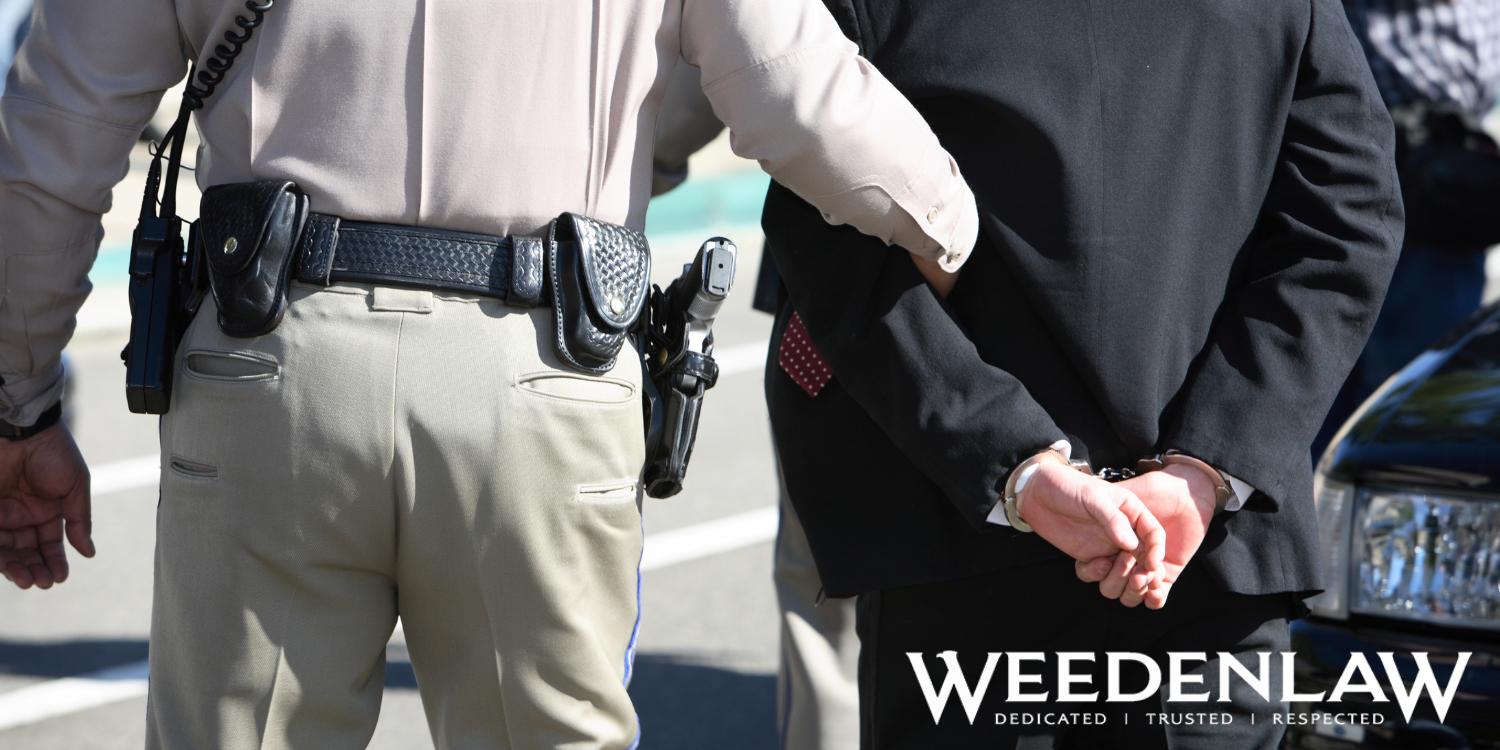
DUI per se applies when a driver’s BAC reaches 0.08 at the time of driving or within two hours afterward. Prosecutors do not need separate proof of visible impairment for this charge.
A test result does not prevent a defense. A Denver DUI defense lawyer can examine the collection method, testing timeline, laboratory procedure, and reported result. Medical conditions, sample contamination, calibration problems, and recordkeeping errors may also affect reliability.
The defense may also question the traffic stop, arrest, search warrant, or expressed-consent procedure. Each issue depends on the evidence and legal process followed in that case.
How a DUI Lawyer in Denver Can Help Protect Your Future
Law enforcement officers may present a DUI charge as impossible to fight. A charge does not equal a conviction. An experienced DUI lawyer can identify weak evidence and challenge unsupported conclusions.
Denver DUI attorney Jeff Weeden reviews the circumstances and may use strategies such as:
- Challenging Test Results: Calibration records, maintenance problems, mouth alcohol, or testing errors may undermine breath results.
- Examining the Traffic Stop: Officers need a lawful basis to stop the vehicle. An unsupported stop may justify suppressing evidence.
- Reviewing Probable Cause: An officer must have probable cause before making a DUI arrest or requesting a test under expressed consent laws.
- Evaluating Blood Collection: The defense can examine who collected the sample and how it was labeled, stored, transported, and tested.
- Questioning Roadside Exercises: Medical conditions, weather, footwear, traffic, and unclear instructions can affect performance.
- Cross-Examining Witnesses: Jeff can cross-examine officers and laboratory personnel about observations, procedures, records, and inconsistencies.
Strong legal representation can protect clients’ rights and expose problems in the prosecution’s case. Jeff prepares each defense for negotiations, suppression hearings, or a jury trial when necessary.
Denver DUI Breath and Blood Test Lawyer
Breath test and blood test evidence can contain collection, calibration, storage, testing, or reporting problems. A DUI defense lawyer checks the complete record instead of accepting the reported number without review.
For breath testing, the defense may examine:
- Device certification, calibration, and maintenance records.
- The officer’s training and administration of the test.
- The required observation period before testing.
- Mouth alcohol, medical conditions, or environmental interference.
Blood evidence requires a different review. The defense may examine the warrant, collection kit, sample labeling, storage temperature, preservatives, transportation records, and laboratory data.
Colorado’s expressed-consent law also creates DMV consequences after a refusal or qualifying test result. A driver generally has seven days to request a DMV hearing after receiving the applicable notice. The deadline may begin at arrest or when the DMV mails a notice, depending on the case.
Denver DUI Accident Lawyer
A crash can increase police attention and expose a driver to additional criminal charges. Investigators may compare vehicle damage, medical records, witness statements, electronic data, and surveillance footage.
A DUI accident does not automatically prove impairment or fault. Weather, roadway conditions, vehicle defects, and another driver’s actions may have contributed. The defense may also challenge claims about who drove the vehicle or when alcohol was consumed.
Our Denver DUI attorneys address careless driving, vehicular assault, property damage, and related allegations. They examine causation separately from the claim of impairment.
Aggravated DUI Attorney Denver
Colorado does not define “aggravated DUI” as a separate criminal offense. Prosecutors and courts may still treat certain circumstances as aggravating factors in a Denver DUI case.
Those circumstances can increase jail exposure, treatment requirements, license consequences, or related charges. An experienced defense attorney separates proven facts from assumptions before developing a response.
Our DUI attorneys build a strategy for the DUI charges and any related criminal charges. The defense focuses on the government’s evidence and the specific Colorado law involved.
What Can Lead to Aggravated DUI Charges?
Several factors can increase potential exposure after a Colorado DUI arrest:
- A BAC of 0.15 or higher can trigger persistent drunk driver requirements.
- Prior convictions can increase mandatory jail, license, and treatment consequences.
- A crash causing serious bodily injury may support vehicular assault charges.
- A fatal crash may lead to vehicular homicide allegations.
- Refusing a chemical test can create a separate license revocation and evidentiary issue.
- Driving with a child passenger may lead to allegations of child endangerment in Colorado.
A high BAC alone does not create a separate “aggravated DUI” charge. Our DUI lawyers test each claim against reports, recordings, test records, and Colorado law.
Felony DUI Lawyer Denver
A felony DUI can expose you to prison, parole, license loss, and a lasting criminal record. Our Denver DUI defense team protects clients through disciplined preparation and clear communication.
Jeff Weeden brings extensive experience to high-risk criminal defense. He prepares felony DUI cases for motions, negotiations, courtroom litigation, and trial.
When Does a DUI Become a Felony in Colorado?
A DUI, DUI per se, or DWAI becomes a Class 4 felony after three qualifying prior convictions. Those convictions must arise from separate criminal episodes.
Qualifying convictions may include DUI, DUI per se, DWAI, and certain vehicular assault or vehicular homicide offenses. Prior cases from Colorado or another state may count when they meet statutory requirements.
A collision may also lead to separate felony charges without three prior DUI convictions. Vehicular assault and vehicular homicide classifications depend on the alleged injury, death, impairment, and governing statute.
Defending Habitual and Repeat DUI Allegations
Repeat DUI cases require accurate records. Our defense attorneys check the defendant’s identity, conviction dates, statutory elements, and underlying criminal episodes.
The defense may challenge a prior conviction that does not qualify under Colorado law. Records from another state may require closer comparison with Colorado’s offense definitions.
A third DUI or DWAI within seven years can result in a five-year habitual traffic offender revocation. WeedenLaw challenges unsupported allegations and pursues the best possible result permitted by the evidence.
DUI Vehicular Homicide Lawyer Denver
Vehicular homicide while DUI is a Class 3 felony under Colorado law. Vehicular homicide while DWAI is a Class 4 felony. Vehicular assault while DUI is a Class 4 felony, while vehicular assault while DWAI is a Class 5 felony.
These DUI cases require immediate investigation of causation, toxicology, vehicle evidence, medical findings, and witness accounts. Impairment alone does not resolve every disputed issue. Prosecutors must also establish the elements required by the charged offense.
Our vehicular homicide defense lawyers prepare for serious courtroom litigation. Early investigation can preserve vehicle data, roadway evidence, surveillance recordings, and witness testimony.
Denver Marijuana DUI Lawyer
Colorado law permits an inference of impairment when a blood test shows at least five nanograms of delta-9 THC per milliliter of whole blood. That level does not create automatic guilt.
THC can remain detectable after its impairing effects have changed. Tolerance, timing, testing procedures, driving behavior, and officer observations may affect the case.
Our Denver marijuana DUI lawyers examine the blood evidence and the circumstances surrounding the arrest. They also challenge unsupported conclusions from Drug Recognition Expert evaluations.
Denver Underage DUI Defense Attorney
Drivers under 21 may receive an underage drinking and driving charge for a BAC between 0.02 and 0.05. A first UDD is a Class A traffic infraction. It can bring a three-month license revocation, a fine, and community service.
Higher BAC readings or other impairment evidence may support DUI or DWAI charges. Later UDD violations may also bring stronger criminal and license penalties.
Former clients have described Jeff as an amazing attorney in their testimonials. He protects young clients in court and DMV proceedings while explaining how a case may affect school, employment, and driving privileges.
Denver Out-of-State DUI Defense Attorney
Leaving Colorado does not end a Denver DUI case. Court dates, bond terms, and DMV deadlines can remain active after you return home.
Our Denver out-of-state DUI defense lawyer coordinates the Colorado defense and explains required appearances. We also identify possible driver’s license consequences in the client’s home state.
These Denver DUI lawyers protect driving privileges and prepare clients for each Colorado court date. Local representation may also reduce unnecessary travel when the court permits remote participation or counsel to appear without the client.
What To Do After a DUI Arrest in Denver
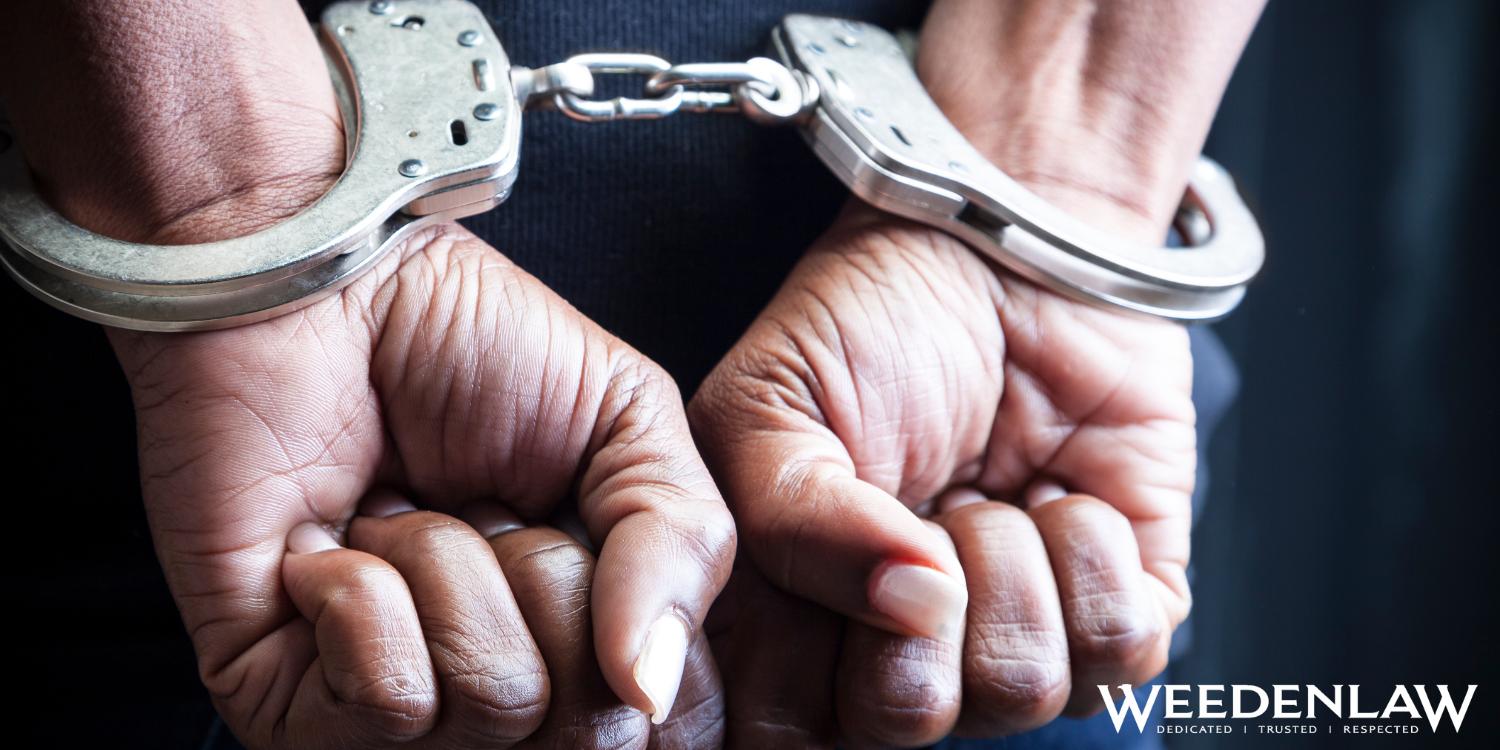
Your decisions after an arrest can affect your defense and license. Take the following steps after a Denver DUI arrest:
- Remain silent about the allegations and request a defense attorney.
- Save release papers, testing notices, towing records, receipts, and court documents.
- Write down the stop, testing process, statements, witnesses, and medical concerns.
- Preserve photographs, videos, location records, and communications connected to the arrest.
- Request a DMV hearing within seven days when the applicable notice requires that deadline.
- Follow every bond condition and attend all scheduled court appearances.
Do not discuss DUI charges through texts, email, or social media. Contact a Denver DUI attorney before speaking with prosecutors or accepting an offer. Early action gives the defense more time to preserve evidence and protect your position.
Frequently Asked Questions About Denver DUI Charges
Can I refuse a breath or blood test?
Colorado’s expressed consent law requires testing after an officer establishes probable cause. Refusal can become evidence in court and can result in a one-year license revocation for a first violation. A DUI defense attorney can review the request, warrant, and alleged refusal. The DMV deadline may expire within seven days.
Will I lose my driver’s license after a DUI in Colorado?
A first BAC violation at 0.08 or higher can cause a nine-month revocation. A first-time DUI conviction also produces a nine-month revocation. Some drivers qualify for early reinstatement with an interlock device. Our Denver DUI lawyers address the license suspension separately from the court defense.
Can a DUI charge be reduced or dismissed?
Yes, some DUI charges are reduced or dismissed because prosecutors lack reliable proof. Illegal stops, flawed tests, missing records, or conflicting testimony can weaken a case. No lawyer can guarantee dismissal. WeedenLaw pursues the best possible outcome through motions, negotiations, and trial preparation.
How much does a DUI cost in Colorado?
CDOT estimates a Colorado DUI can exceed $13,500 after fines, legal fees, and increased insurance costs. Treatment, towing, interlock expenses, and lost income may increase the total. Our law firm explains legal fees and likely expenses during the free consultation.
What happens if I have prior DUI convictions?
Prior convictions can increase jail time, community service, treatment, and license penalties. Three qualifying priors can turn a later Colorado DUI into a felony DUI. Our Denver DUI defense lawyers verify each alleged prior before advising clients. An out-of-state conviction may still count under Colorado law.
Should I hire a Denver DUI attorney before speaking with prosecutors?
Yes. Prosecutors build cases for the government and do not give defense advice. Statements made without legal counsel can limit future options. A public defender may provide capable representation for eligible defendants. Private DUI attorneys can begin investigating before the first court appearance and address the DMV case.
Why Clients Choose Jeff Weeden As Their DUI Defense Lawyer in Denver Metro Area
Jeff Weeden has protected Colorado clients since 2005. His background includes published legal writing, teaching criminal law, and extensive courtroom work.
The National Trial Lawyers named Jeff among its Top 100 Trial Lawyers in Colorado. Some online searches refer to the organization as the National Trial Lawyers Association. His professional recognition supports his reputation, but preparation and client service remain central to his defense work.
Jeff’s proven track record includes dismissed charges and trial-ready criminal defense throughout the Denver area. Former clients praise his responsiveness, diligence, communication, and respectful approach in testimonials and reviews.
People seeking the best DUI lawyer should compare experience, preparation, communication, and proven results. WeedenLaw provides direct guidance without making unsupported promises. Jeff builds each defense around the evidence, the client’s rights, and the best possible outcome available.
Schedule a FREE Consultation With an Experienced Denver, Colorado DUI Attorney Today
A DUI conviction can affect your license, freedom, job, insurance costs, and future. Our DUI lawyers in Denver provide responsive defense throughout Colorado. Our attorneys explain the charges, defense options, and legal fees. They pursue the best possible outcome supported by the facts.
Call (720) 307-4330 or contact us online for a free consultation with our team.